How to Get to Nerja Caves: Bus, Train & Driving Directions
Wondering how to get to Nerja Caves? Find complete directions, ALSA bus schedules from Malaga, Cueva Tren tourist train …
Continue Reading →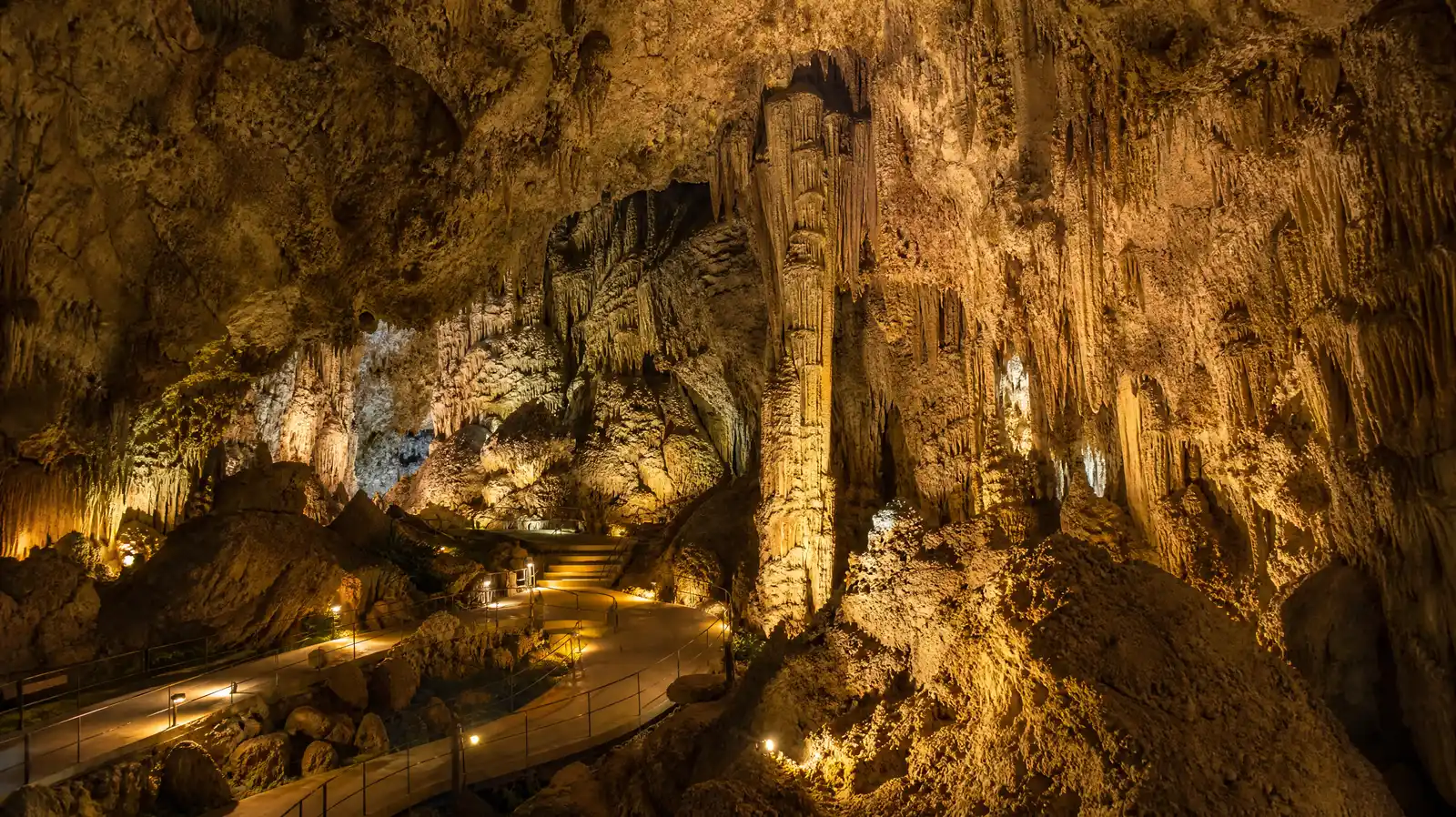
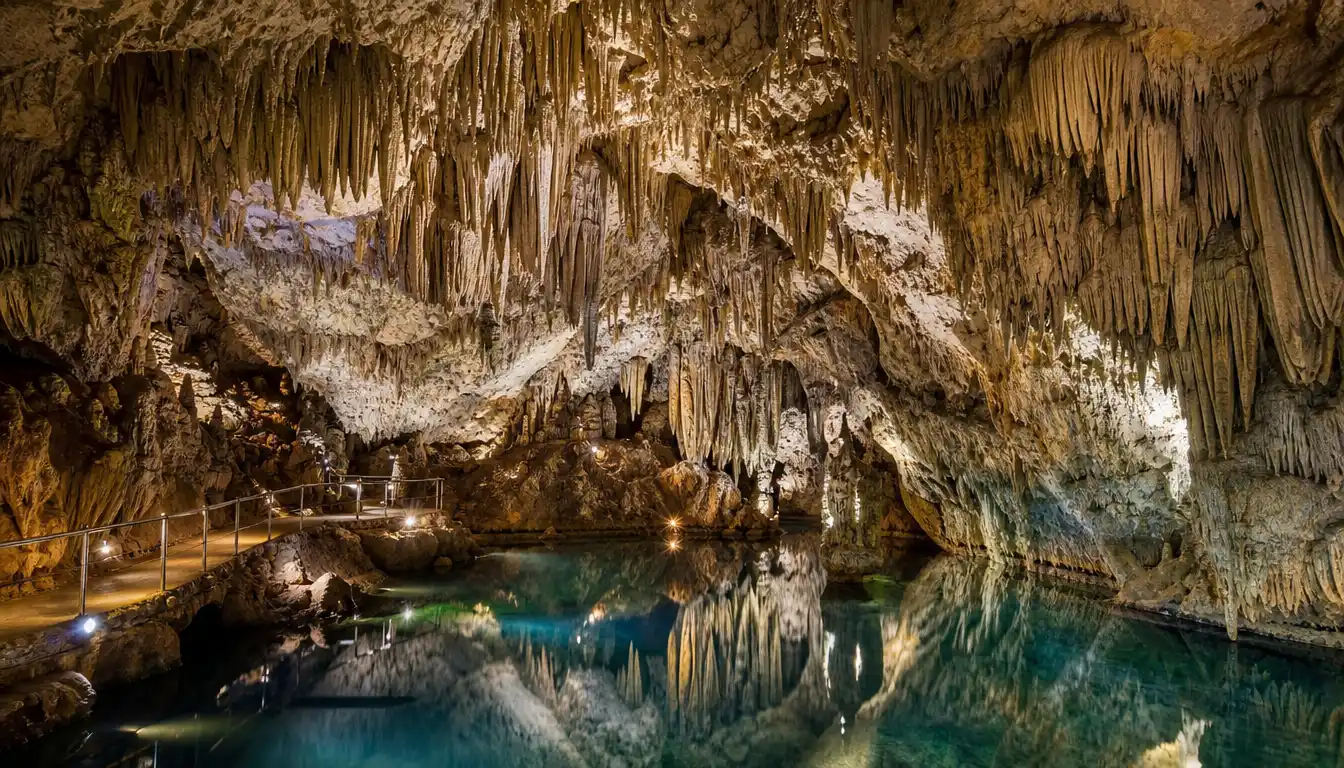
Plan your visit to the caves of Nerja, tucked into the cliffs just 47 minutes east of Malaga along the sunlit Costa del Sol.
Discover what makes nerja caves unforgettable.
Timed entry prevents bottlenecks in the narrow passageways. Reserving your slot online saves you standing in line beneath the exposed coastal sun, especially between June and September.
Learn more →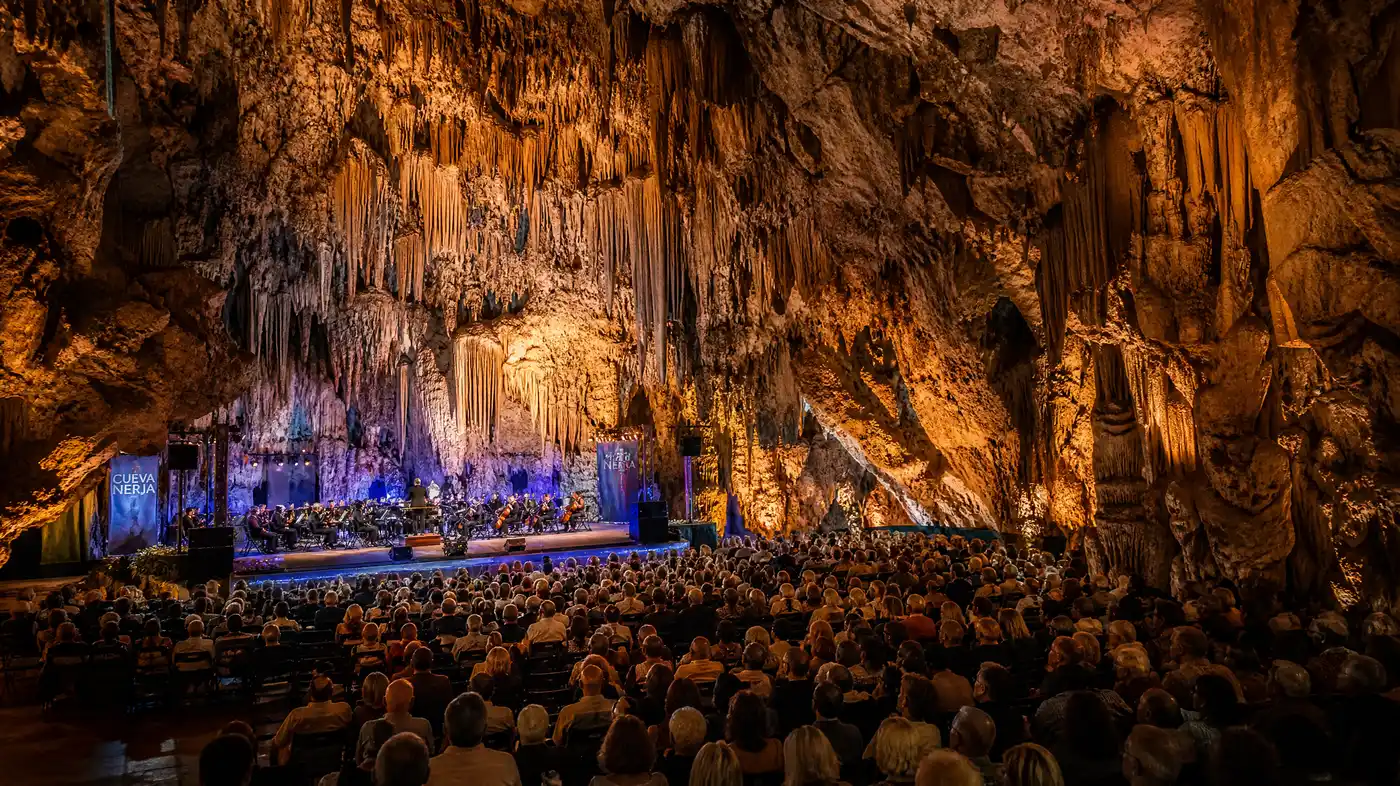
The standard admission includes an audio device synced to numbered markers along the raised walkways. It explains how dripping rainwater carved these caverns over five million years without rushing your pace.
Learn more →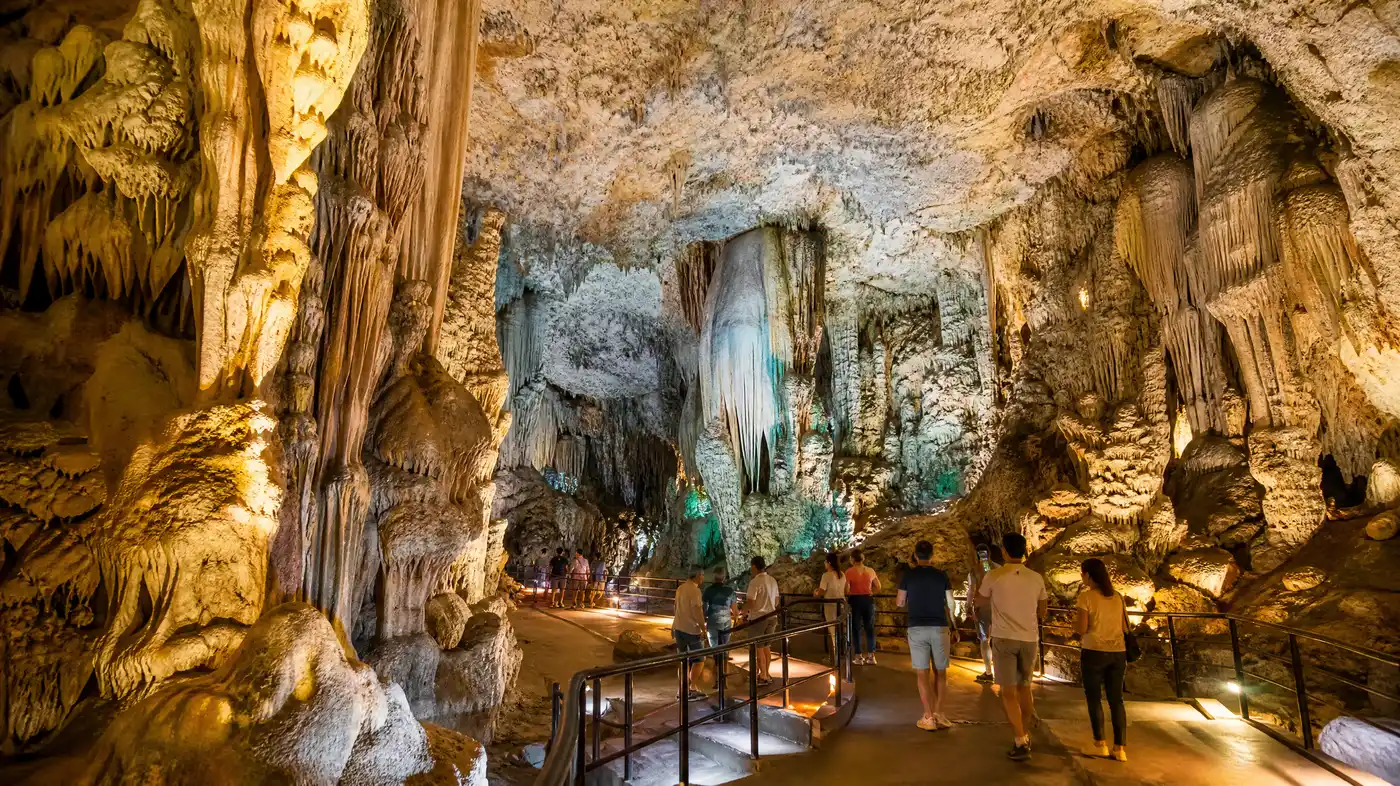
Excavations revealed Neanderthal tools, Bronze Age pottery, and skeletal remains sealed beneath stalagmites. While fragile cave art remains protected from public lights, the on-site exhibition showcases rare artifacts recovered from the dirt.
Learn more →What to expect from arrival to departure.

Park in the paved municipal lot on the north side of Maro. The parking fee is €2 for the entire day.
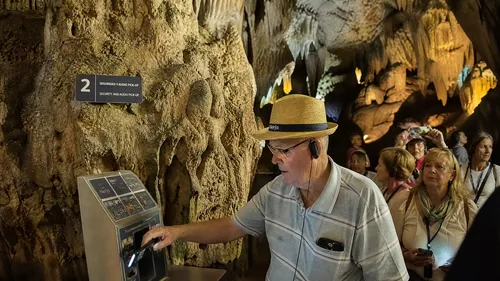
Scan your digital ticket barcode at the turnstiles and collect your handheld audio unit before descending the ramp.
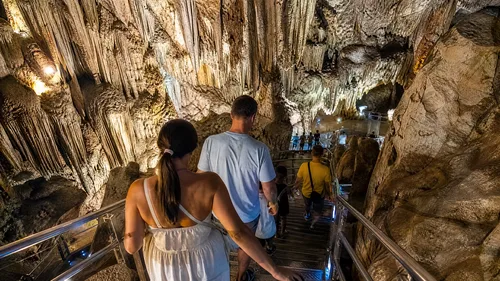
Walk down the covered passage into the entrance cavern, where historical display cases show tools found during the 1960s excavations.
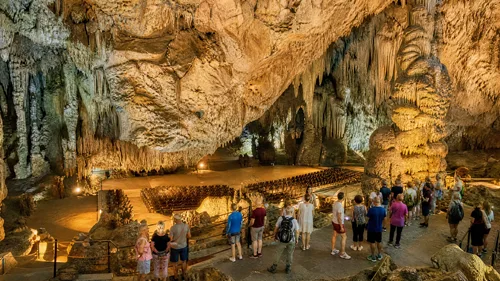
Cross the steel walkway over the central void to marvel at the 32-meter limestone pillar and shattered boulders from an ancient quake.
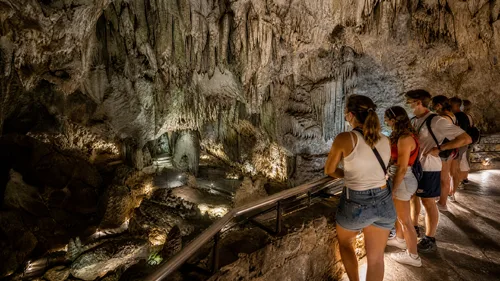
Pause at the highest accessible balcony overlooking the Hall of the Phantoms, observing delicate translucent mineral sheets.
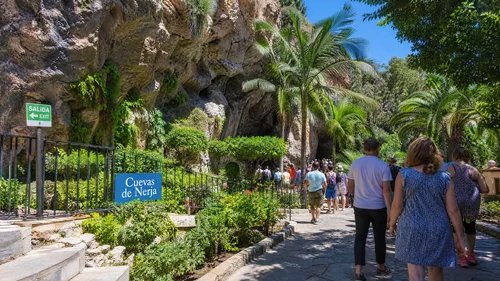
Return through the gift shop to stroll the botanical path outside, which features native plants of the Malaga coastline.
In January 1959, five teenagers from the hamlet of Maro squeezed through a tight limestone crevice chasing bats and emerged inside the cuevas de Nerja. Their flashlights caught vast subterranean chambers undisturbed for thousands of years. Today, this formation stands out among caves in Spain for its scale and preservation, spreading nearly five kilometers beneath the Almijara mountains. The public route winds through three sprawling galleries filled with towering flowstones, draperies, and delicate soda straws.
The Cataclysm Hall contains the centerpiece of the entire network: a natural column soaring 32 meters into the ribbed ceiling. Geologists recognize it as one of the largest single limestone columns on the planet. Walking through the cave in Nerja feels like standing inside an ancient stone cathedral, though the air stays consistently damp and cool, keeping an even 19 degrees Celsius through winter chills and blistering August heatwaves.
After climbing back into daylight, the surrounding area offers an easy shift from geology to open water. A short descent brings you down to Maro beach, where visitors often set out on kayaks to explore coastal sea grottos and watch the freshwater waterfall drop straight over the cliff face into the Mediterranean.
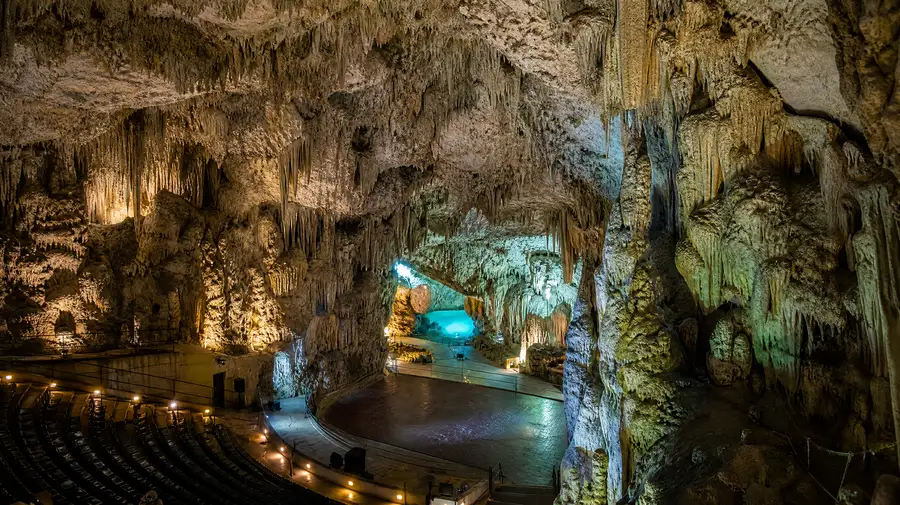
The scale inside Cataclysm Hall is hard to fathom until you stand right underneath the central pillar. Wear trainers, as the damp stone steps get slippery.
Very well organized audio tour. It was 34 degrees outside in Maro, so stepping into the 19-degree underground air was an absolute relief.
The lighting highlights the rock formations beautifully, though 458 steps is a genuine workout on the knees if you carry a toddler.
We combined the 10:00 AM cave slot with an afternoon kayak session down at Maro beach. One of the best days on our southern road trip.
Compare options and book directly below.
Includes entry to the tourist galleries, botanical gardens, and an interactive audio guide on your smartphone or borrowed device.
Covers the cavern tour plus entry to the Nerja History Museum located in Plaza de España in the town center.
After-hours guided walk conducted in near darkness using headlamps, led by a cave specialist when public lights are switched off.
Everything you need to know before visiting nerja caves.
Hours: Period 1 (most of the year): 9:15 AM – 4:30 PM (last entry at 3:30 PM). Period 2 (Summer June–September, Holy Week/Easter, Christmas, and long weekend public holidays): 9:15 AM – 5:30 PM (last entry at 4:30 PM; extended to 6:30 PM/7:00 PM on peak dates). Closed January 1, January 6, May 15, and December 25.
| General Admission (online advance price) | €15.75 |
| Combined Cave & Museum (includes town museum) | €17.50 |
| Night Discovery Tour (select dates only) | €22.00 |
📍 Carretera de Maro, s/n, 29787 Maro, Nerja, Málaga, Spain
See it before you go.

Worth combining with your nerja caves visit.
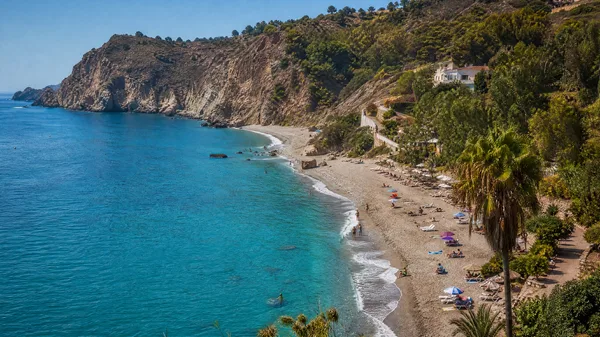
A protected pebble cove framed by cane fields, famous for clear snorkeling waters and rocky sea caves.

A circular promenade built over a former coastal fortress, offering expansive views across the Mediterranean sea.
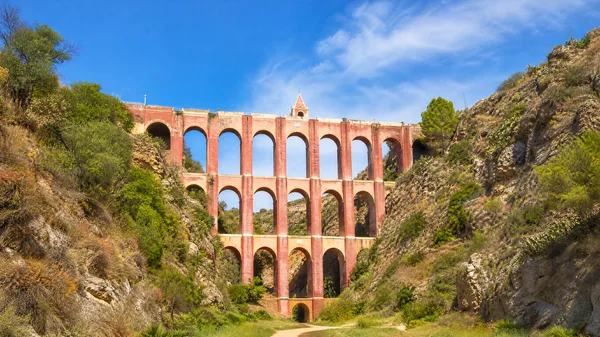
A nineteenth-century four-story brick aqueduct still used for local irrigation across a steep ravine.
Nerja Caves welcomes all visitors with accessibility features and family-friendly amenities.
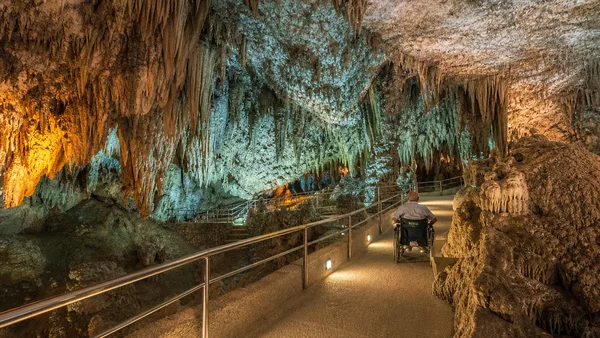
Wheelchairs are strictly not permitted inside the cave due to steep natural terrain and over 400 stairs with no elevator access. However, exterior grounds, reserved PRM parking, and restrooms are accessible, and a Virtual Reality room outside provides an accessible way to experience the cave galleries.
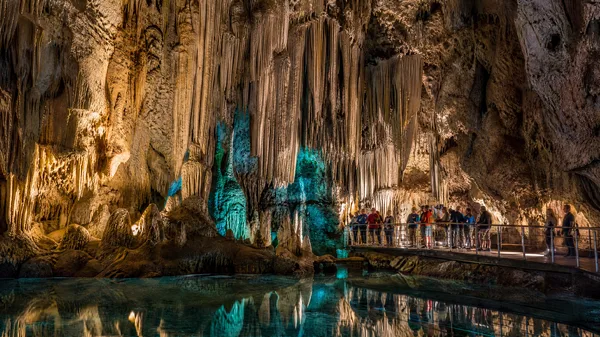
Children of all ages are permitted, but baby strollers and prams are strictly forbidden inside the cave due to conservation regulations and stairs (strollers can be left in luggage/locker facilities). Outdoor areas include a playground, picnic spots, and a tourist train (Cueva Tren) connecting to Nerja.
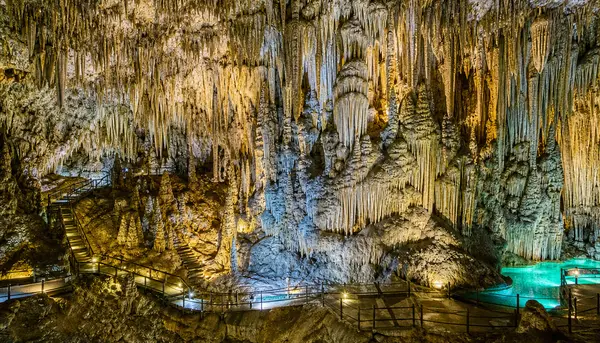
Handheld audio guides operate in Spanish, English, French, German, Italian, and Russian.
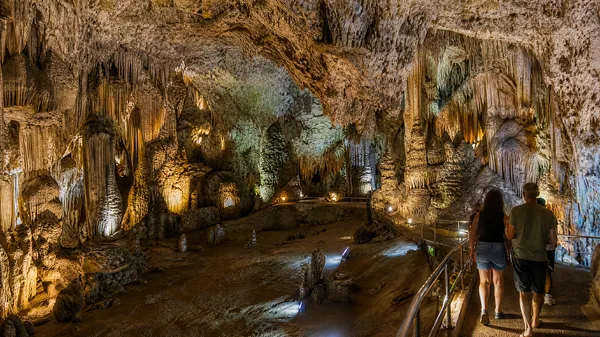
The interior tour route consists of paved walkways, handrails, and over 400 steps spanning elevation changes throughout several large caverns. There are no elevators or lifts inside. Closed, non-slip footwear is required, and the cave maintains an average year-round temperature of about 19°C.
Dive deeper into nerja caves.
Wondering how to get to Nerja Caves? Find complete directions, ALSA bus schedules from Malaga, Cueva Tren tourist train …
Continue Reading →
Explore the Nerja cave paintings, ancient history, and town museum. Discover Neanderthal art debates, discovery facts, …
Continue Reading →
Experience the historic Nerja Caves concerts and annual music festival. Practical guide to tickets, venues, 2025-2026 …
Continue Reading →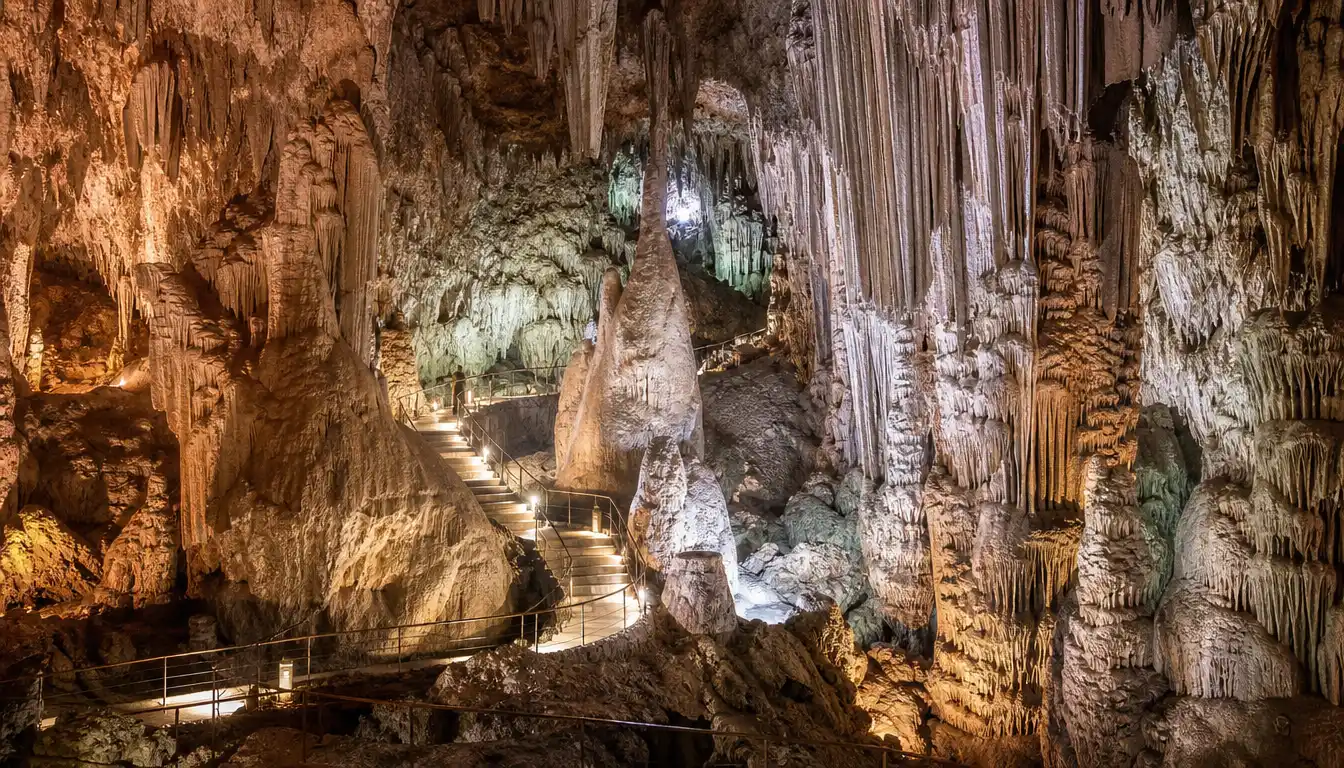
Complete visitor guide to the Nerja Caves tour. Discover ticket options, audio guides, inside temperatures, photo rules, …
Continue Reading →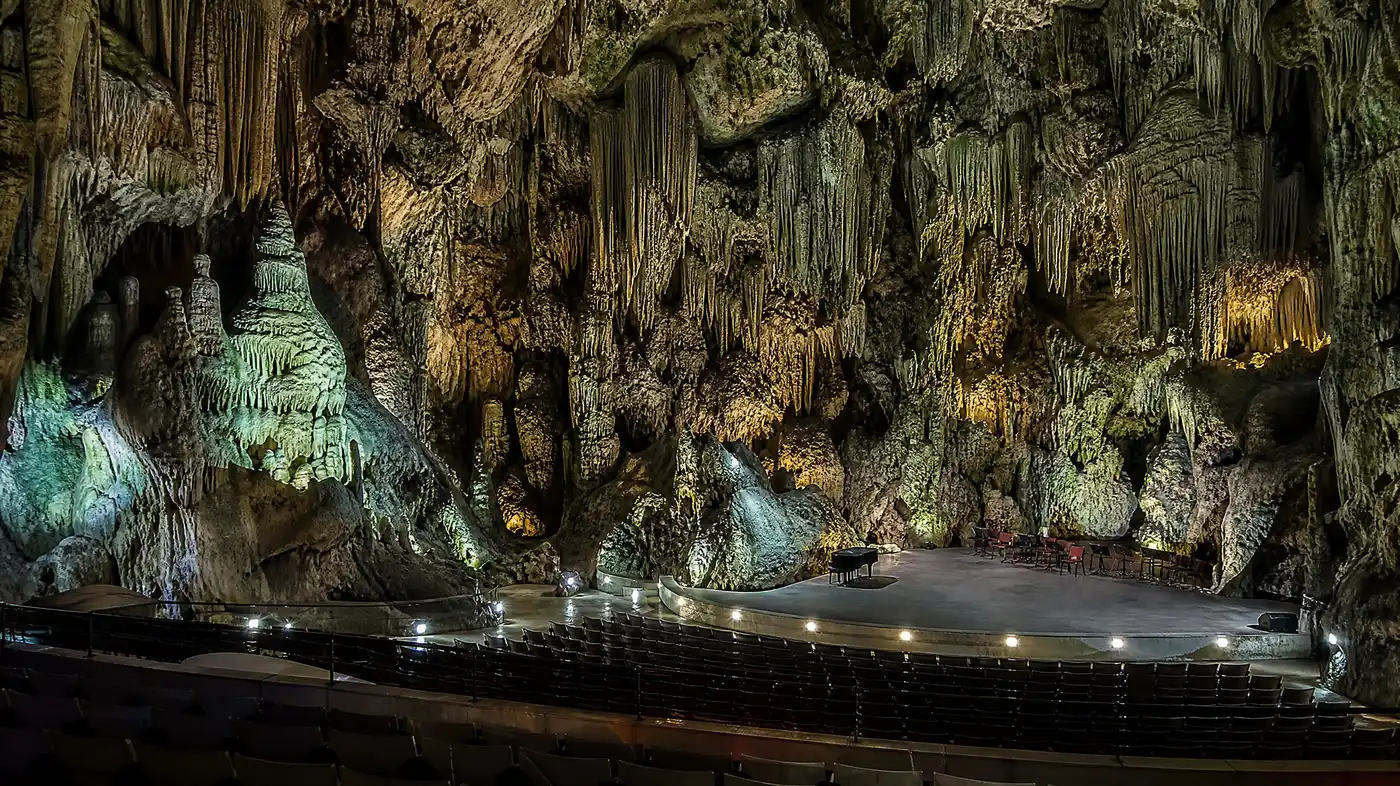
Check current Nerja Caves opening times and seasonal hours. Discover the best times of day to visit, holiday closures, …
Continue Reading →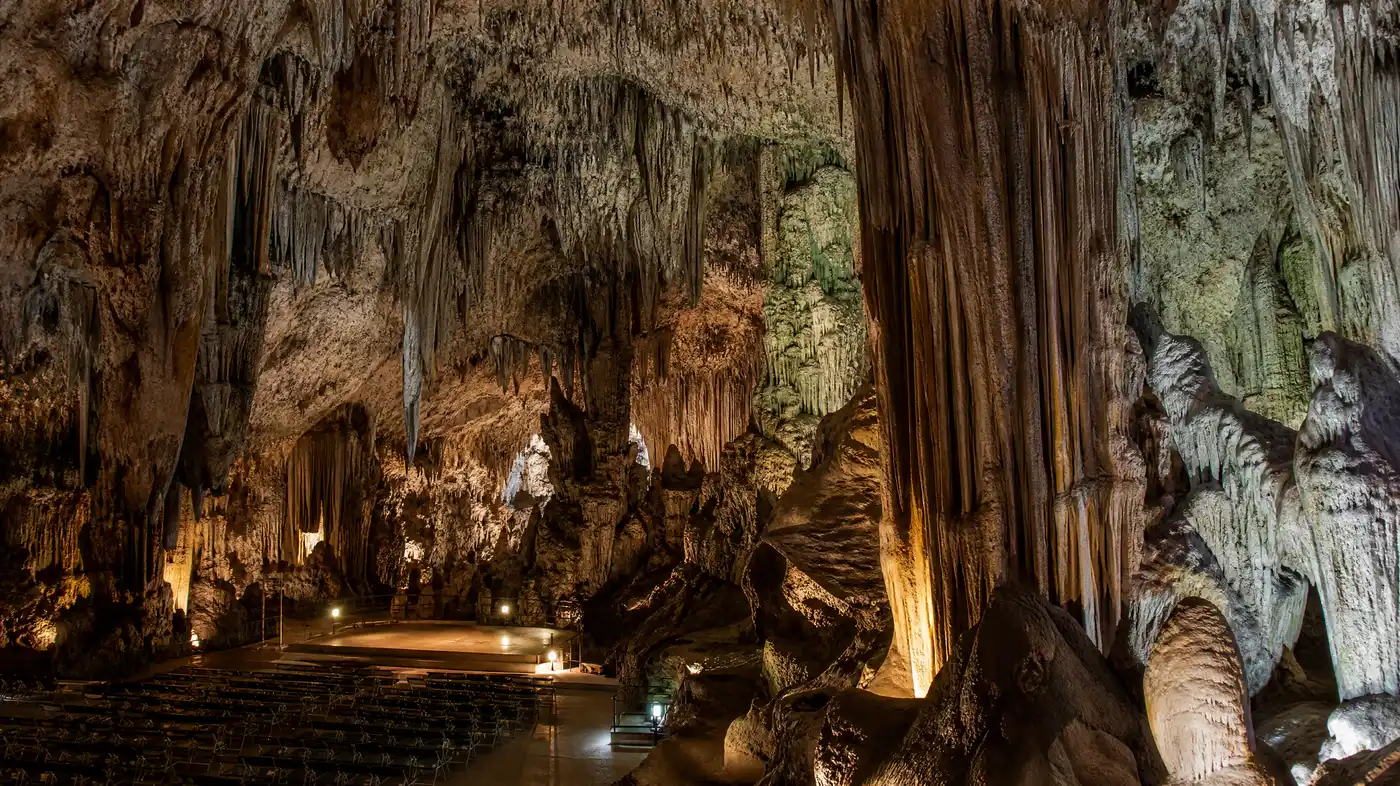
Complete guide to Nerja Caves tickets: discover current entrance fees, senior discounts, combo passes, and the secret to …
Continue Reading →Common questions about nerja caves.
Nerja is significantly larger than the Treasure Cave in Rincon de la Victoria, which is carved by sea waters. Nerja features monumental vertical spaces, prehistoric deposits, and massive limestone formations that make it the most visited cavern network in southern Spain.
Yes. The cave operates on strict 30-minute capacity limits. Buying tickets at the gate often means waiting two to three hours for the next open time slot, especially on weekends.
Most visitors spend roughly 50 to 65 minutes underground following the audioguide route. Allow another 30 minutes to view the small museum display and walk the botanical garden outside.
Bring a light layer such as a long-sleeve shirt or thin jacket. Even on 35-degree summer days, the internal temperature stays at 19 degrees with high humidity. Wear shoes with textured rubber soles.
Personal photography is permitted without tripods, selfie sticks, or flash. Flash photography is strictly forbidden because artificial bursts harm sensitive microscopic mosses living on the stones.
Only certified guide dogs assisting visually impaired visitors are permitted inside. Pets are not allowed into the chambers, nor are they allowed to wait in vehicles in the sunny parking lot.
The halls feel vast rather than cramped, with ceilings arching up to 30 meters high. However, the initial access tunnel is enclosed, and returning to the exit requires climbing several hundred steep steps.
Book your morning time slot early to enjoy tranquil cavern paths before the afternoon crowds arrive.